This workshop was co-sponsored by the HESI Protein Allergenicity Technical Committee (PATC) and the Kenya National Biosafety Authority.
Food Allergy and Safety Assessment Workshop
August 11, 2014 – August 12, 2014
Nairobi, Kenya

The PATB is committed to advancing the scientific understanding of the relevant parameters defining allergenic proteins and protein toxins, and encouraging the development of reliable and accurate methodologies for characterizing the allergenic potential of novel proteins in order to leverage the potential of bioinformatics approaches in accomplishing these efforts.
Renaming the Committee: PATC to PATB
Formerly the Protein Allergenicity Technical Committee (PATC), the committee has adopted a new designation, the Protein Allergens, Toxins and Bioinformatics (PATB) Committee, to embrace a broader scope, expertise, interests, and collaborators in the fields of bioinformatics and protein toxins, while strengthening its core focus in allergenicity.
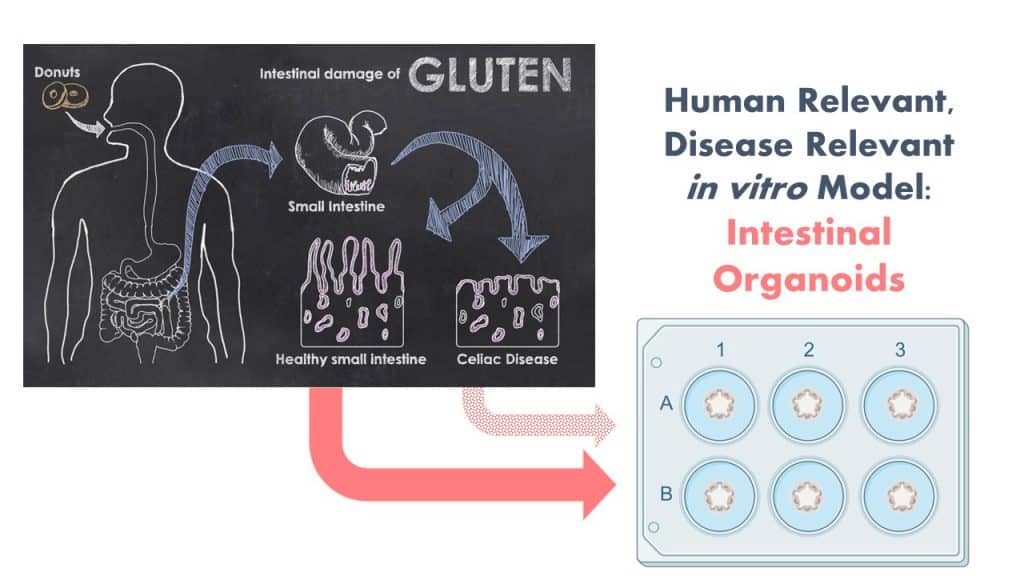
The Protein Allergens, Toxins and Bioinformatics (PATB) Committee is seeking partners to help launch a new project to advance methods for the assessment of gluten-like peptide sequences that could trigger Celiac disease (CD). The proposed pilot study will test the potential of microbial derived peptides to mimic gluten peptides using organoid models.
The project will have relevance for those involved in the evaluation of genetically modified crops, novel foods, or proteins (e.g., for food ingredients) produced via precision fermentation or microbial production systems as well as those with an interest in NAMs for food safety and clinicians/researchers involved in the study of Celiac Disease pathology and immunology.
By involving in vitro NAMs and patient derived materials to generate CD-organoids, this study is anticipated to generate both biological and methodological advancements. We are seeking additional financial support and expertise to ensure that the design and impact of the study is optimized. Your involvement will be enhanced by significant contributions in-kind by a clinical collaborator from Harvard University with expertise in developing these in vitro organoid systems! Peptides will be generated this fall and bench work to launch in early 2024.
As with all HESI projects, the success and impact of this initiative will depend on engaging thought leaders and international stakeholders, from government regulators to clinicians, to crop protection, food biotechnology, and biomedical industry experts, academics, and representatives from other relevant organizations.
Please contact Dr. Lucilia Mouriès at lmouries@hesiglobal.org
Current risk assessment approaches for novel foods include amino acid sequence comparison searches, with comparisons being made to approximately 70 known 9-amino acid celiac epitopes.
However, sequence comparisons have shortcomings. Matching of novel proteins to known celiac epitopes can lead to high false positive rates; for example, many common proteins such as zeins, kafirins, and legumins as well as proteins found in pigs and cows have at least one celiac peptide match.
Furthermore, it has been proposed that changes in the Human gut microbiota can promote CD development in genetically susceptible individuals. A number of microbially derived peptides that share sequence similarities to HLA-DQ2.5-restricted gliadin determinants known to be associated with CD have been identified and shown to activate disease-relevant, gliadin-reactive T-cells isolated from CD patients. Yet, activation of T-cells in the gut is a downstream step in the cascade of events for CD. It is unknown if such peptides, when ingested as foods would pass the intestinal barrier, and reach the T-cells in the gut.
In order to reflect the clinical scenario more wholistically, we propose the use of patient-derived human gut organoids as a model system to determine the celiac potential of a protein containing a single putative CD epitope. Organoids are ideal for this use because they replicate many features of clinical disease in a disease-relevant human in vitro model system.
This research project aims to study the impact of food matrices on the digestibility of proteins and complements the work completed on digestibility in vitro models, by testing whether protocols that take matrices into account would provide a better discrimination of allergens and nonallergens than protocols focusing on purified proteins in solution. In 2020, the experimental work was concluded. The data are being analyzed and a publication is planned in 2021.
The goals of the task force are to (1) investigate approaches for identifying protein toxins and (2) suggest specific guidelines to identify new protein toxins. In 2019, the task force undertook a literature review to identify current approaches being used and leading experts in the topic to design the workshop held in 2020. The workshop covered recent advances in protein toxins biology, described the use of computational biology for protein toxins identification and characterization with in silico approaches, and discussed the applicability of existing tools and resources for safety assessment of novel food biotechnology products.
This working group aims to examine application of an in vitro protocol for identifying specific T-cells and antibodies from nonallergic and allergic patients to pairs of proteins from the same protein family but with different allergenicity. After some delays in the anticipated start date due to the COVID-19 pandemic, the project officially received the green light from the leading institution, Copenhagen University Hospital at Gentofte (Copenhagen, Denmark) in late 2020.
Development and annual update of a database of protein allergen sequences is ongoing. The eighth version of the database was released in January 2024. Throughout the year, the team re-initiates and conducts the 10-month-long process leading to the next annual update of the COMPARE Database. Visit COMPARE at https://comparedatabase.org for more details.




Academic Medical Center, University of Amsterdam

Bayer CropScience
August 11, 2014 – August 12, 2014
Nairobi, Kenya
This workshop was co-sponsored by the HESI Protein Allergenicity Technical Committee (PATC) and the Kenya National Biosafety Authority.
August 7, 2014 – August 8, 2014
Nairobi, Kenya
This workshop was sponsored by the HESI Protein Allergenicity Technical Committee (PATC) and the Kenya National Biosafety Authority.
January 14, 2014 – January 15, 2014
Ottawa, Ontario, Canada
This meeting was co-sponsored by the HESI Protein Allergenicity Technical Committee (PATC).
Food and Chemical Toxicology, 2008
The International Life Science Institute’s Health and Environmental Sciences Institute’s Protein Allergenicity Technical Committee hosted an international workshop October 23–25, 2007, in Nice, France, to review and discuss existing and emerging methods and techniques for improving the current ...
Toxicological Sciences, 2007
In the safety assessment of novel foods produced through biotechnology, careful consideration is given to determining the allergenic potential of newly introduced proteins.
Food and Chemical Toxicology, 2007
The ILSI Health and Environmental Sciences Institute Protein Allergenicity Technical Committee organized an international workshop in June 2006 in Estoril, Portugal, co-sponsored by the ILSI Research Foundation, ILSI International Food Biotechnology Committee and ILSI Europe.
Toxicological Sciences, 2005
The ILSI Health and Environmental Sciences Institute (HESI) hosted an expert workshop 22–24 February 2005 in Mallorca, Spain, to review the state-of-the-science for conducting a sequence homology/bioinformatics evaluation in the context of a comprehensive allergenicity assessment for novel proteins, to obtain ...
Regulatory Toxicology and Pharmacology, 2004
Evaluation of the potential allergenicity of proteins derived from genetically modified foods has involved a weight of evidence approach that incorporates an evaluation of protein digestibility in pepsin.
hesi@hesiglobal.org
Phone: +1-202-659-8404
Fax: +1-202-659-3859
740 15th Street NW, Suite 600
Washington, DC 20005
Sign up for our monthly e-newsletter.