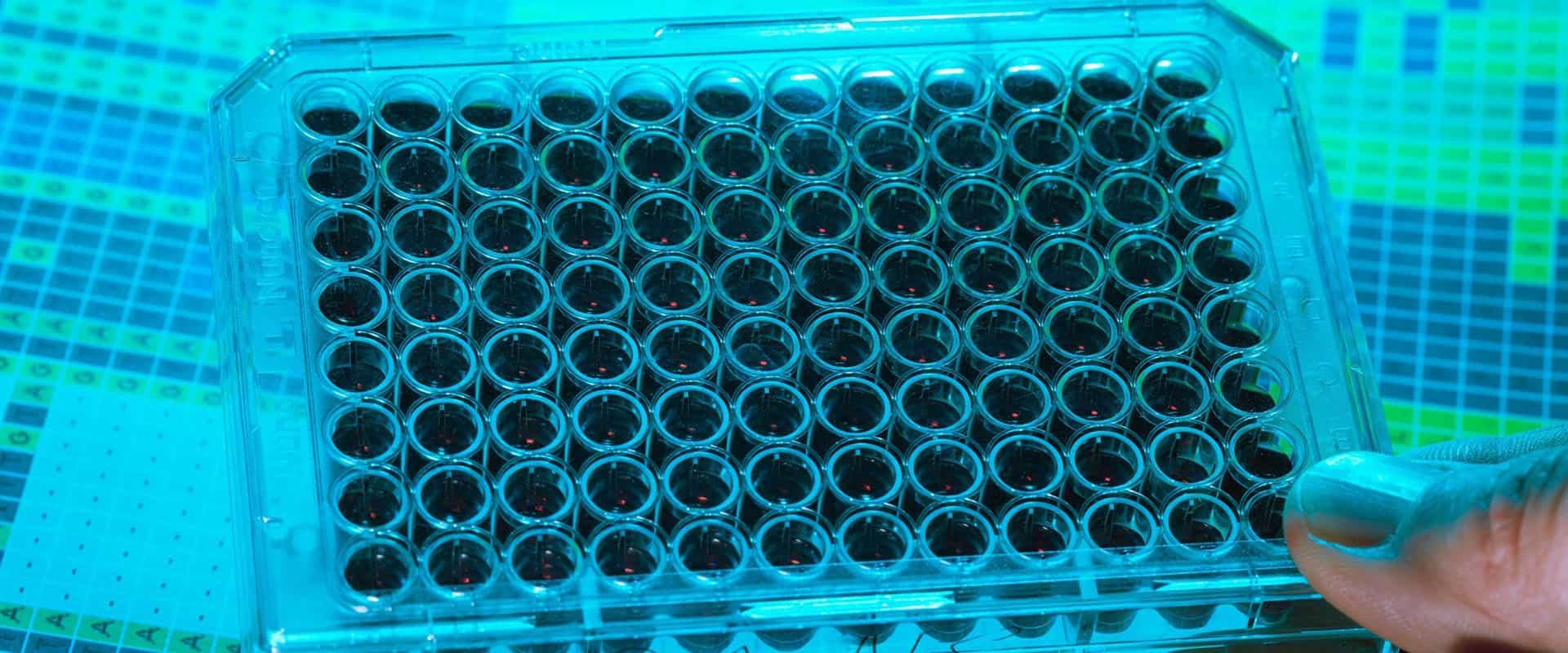


Members of the HESI DART, eSTAR and GTTC Committees will be in attendance at EUROTOX 2024 taking place September 8-11 in Copenhagen.
EUROTOX 2024
September 8, 2024 – September 11, 2024
Copenhagen, Denmark
The mission of HESIâs Emerging Systems Toxicology for the Assessment of Risk (eSTAR) Committee is to develop and deliver innovative systems toxicology approaches for risk assessment. The committee aims to catalyze adoption of new translational and predictive tools that guide decision-making based on mechanistic understanding of toxicological response.
This project is developing transcriptomic-based biomarkers that will be predictive of particular molecular initiating events leading to rat liver tumors. The group has also launched an experimental study in wildtype & knockout rats for molecular initiating events.
This Consortium has initiated the design and implementation of a pioneering experimental study to advance integration of in vitro âomics approaches (Cell Painting, transcriptomics, and proteomics) into safety evaluation. The Massachusetts Life Sciences Center (MLSC) grant has been awarded to our nonprofit partner, the Broad Institute, at $1,000,000! Matched with contributions from our 16 industry partners, we expect a total project budget of approximately $4.2 million.
This group is exploring the use of error corrected sequencing to identify non-genotoxic tumorigenic agents in rodents. An inventory of samples from members was compiled that can be used to measure cancer driver genes. A pilot study has been completed comparing study designs to detect clonal expansion.
This team designed a study looking at the effect of different nephrotoxicants on multiple miRNAs using an in vitro model for proximal tubule cells. They also conducted a multi-site experimental program on the use of exosomal miRNAs expressed in response to renal toxicants; manuscript published in 2024.
This group was awarded a $250,000 USD grant (U01) as part of the US FDAâs Biomarker Qualification Program in 2022. This funding was partnered with Committee resources to support a four-site ring trial generating additional data on the TGx-DDI biomarker. Submission package is being prepared for qualification and the group is exploring other opportunities such as the OECD Test Guideline process.
Learn more about the use of the TGx-DDI transcriptomic biomarker for the genotoxicity assessment of data-poor chemicals here (poster presented at the 2021 EMGS Virtual Annual Meeting by Anne-Marie Fortin, University of Ottawa).
This Working Group has compiled a broad membership of experts across sectors and chemical classes to write a recently accepted manuscript on the state of the science on the use and potential applications of transcriptomic PODs. Future work will include discussion of bioinformatic methods to derive transcriptomic PODs.
FFPE Project: A manuscript on DNA de-modification analysis of clinical tumor samples was accepted; the project will sunset after an educational webinar.
National Institute of Environmental Health Sciences
Syngenta
September 8, 2024 – September 11, 2024
Copenhagen, Denmark
Members of the HESI DART, eSTAR and GTTC Committees will be in attendance at EUROTOX 2024 taking place September 8-11 in Copenhagen.
September 14, 2025 – September 17, 2025
Athens, Greece
HESI is proud to have two committees contributing to the EuroTox 2025 program, which will take place in Athens, Greece, from 14â17 September 2025. These sessions highlight HESI's commitment to advancing innovative approaches in toxicology.
May 13, 2024
Webinar, Global
On May 13, 2024, several esteemed members from HESIâs Genetic Toxicology Technical Committee (GTTC) and Emerging Systems Toxicology for the Assessment of Risk Committee (eSTAR) delivered insightful presentations at the FDA's CDER Pharmacology Toxicology Symposium. This event, organized by the Education Subcommittee, ...
October 27, 2008 – October 28, 2008
Arlington, Virginia, USA
The workshop was sponsored by the HESI Application of Genomics to Mechanism-Based Risk Assessment Committee.
February 21, 2023
eSTAR, Webinar
Please join us for an upcoming webinar, organized by the HESI Emerging Systems Toxicology for the Assessment of Risk (eSTAR) Committee: Dr. Leah Wehmas (United States Environmental Protection Agency) will present work from the eSTAR FFPE Project.
August 27, 2009 – August 28, 2009
Venice, Italy
This workshop was  co-organized by the carcinoGENOMICS Program, ECVAM, HESI Application of Genomics to Mechanism-based Risk Assessment Technical Committee, and the Netherlands Genomics Initiative.
BMC Genomics, 2016
MicroRNAs (miRNA) are ~19-25 nucleotide long RNA molecules that fine tune gene expression through the inhibition of translation or degradation of the mRNA through incorporation into the RNA induced silencing complex (RISC). MicroRNAs are stable in the serum and plasma, are detectable in a wide variety of ...
Proceedings of the National Academy of Sciences, 2017
Interpretation of positive genotoxicity findings using the current in vitro testing battery is a major challenge to industry and regulatory agencies. These tests, especially mammalian cell assays, have high sensitivity but suffer from low specificity, leading to high rates of irrelevant positive findings (i.e., positive ...
Toxicological Sciences, 2017
Archival formalin-fixed paraffin-embedded (FFPE) tissue samples offer a vast but largely untapped resource for genomic research. The primary technical issues limiting use of FFPE samples are RNA yield and quality. In this study, we evaluated methods to demodify RNA highly fragmented and crosslinked by formalin fixation. ...
BMC Genomics, 2018
MicroRNAs (miRNAs) regulate gene expression and have been targeted as indicators of environmental/toxicologic stressors. Using the data from our deep sequencing of miRNAs in an extensive sampling of rat tissues, we developed a database called RATEmiRs for the Rat Atlas of Tissue-specific and Enriched miRNAs to allow users to ...
Frontiers in Big Data, 2019
Genotoxicity testing is an essential component of the safety assessment paradigm required by regulatory agencies world-wide for analysis of drug candidates, and environmental and industrial chemicals. Current genotoxicity testing batteries feature a high incidence of irrelevant positive findings â particularly for in ...
Regulatory Toxicology and Pharmacology, 2019
Robust genomic approaches are now available to realize improvements in efficiencies and translational relevance of cancer risk assessments for drugs and chemicals. The authors propose a path for implementation of innovative cancer risk assessment including incorporating genomic signatures to assess mechanistic relevance ...
The Emerging Systems Toxicology for the Assessment of Risk (eSTAR) Committee is part of the Center for Translational Sciences. This HESI Center serves as a focal point for staff to share strategic approaches, scientific developments, management best practices and innovations with other related HESI committees.
Other Committees in the Center for Translational Sciences are:
For questions about the Center contact:
hesi@hesiglobal.org
Phone: +1-202-659-8404
Fax: +1-202-659-8403
740 15th Street NW, Suite 600
Washington, DC 20005
Sign up for our monthly e-newsletter.