HESI gave several presentations at Eurotox 2013.
HESI Presentations at the 49th Congress of the European Societies of Toxicology
September 2, 2013 – September 4, 2013
Interlaken, Switzerland
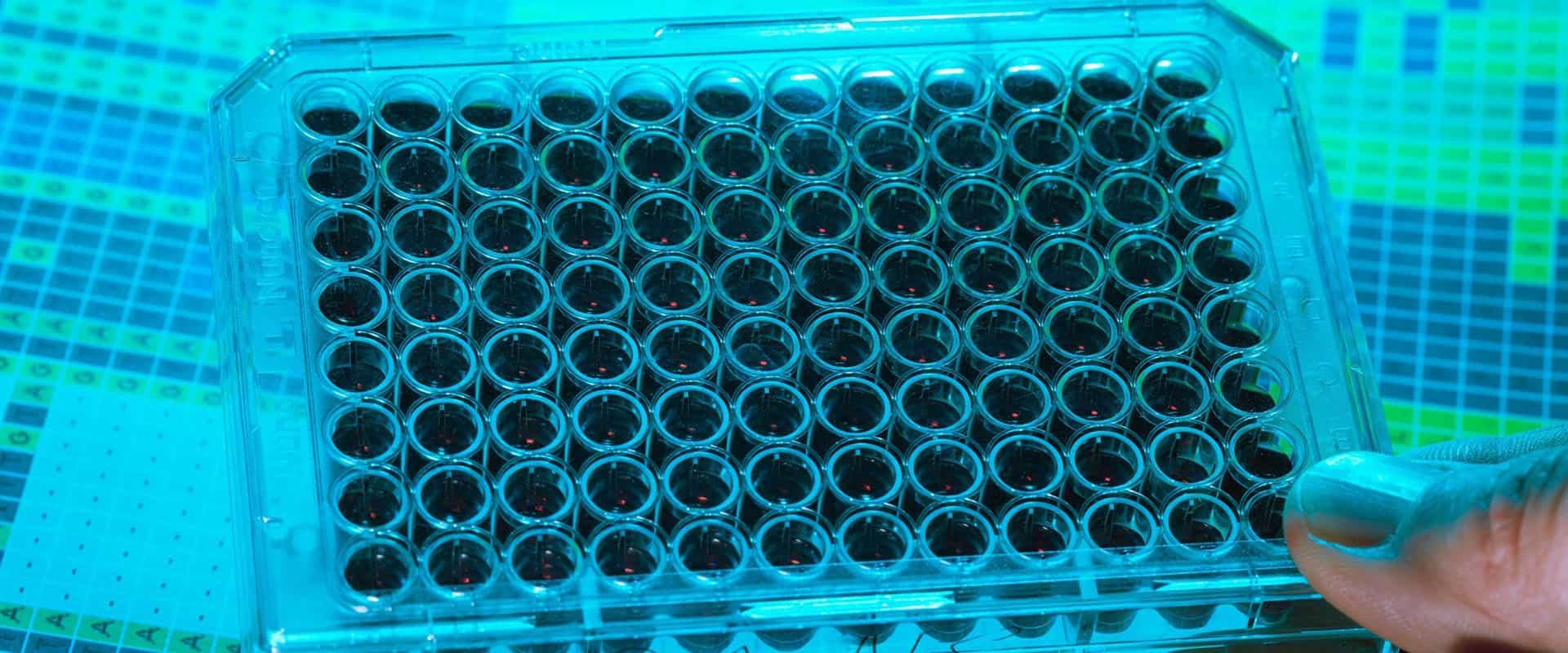
The mission of HESI’s Emerging Systems Toxicology for the Assessment of Risk (eSTAR) Committee is to develop and deliver innovative systems toxicology approaches for risk assessment. The committee aims to catalyze adoption of new translational and predictive tools that guide decision-making based on mechanistic understanding of toxicological response.
This Working Group has compiled a broad membership of experts across sectors and chemical classes to write a recently accepted manuscript on the state of the science on the use and potential applications of transcriptomic PODs. Future work will include discussion of bioinformatic methods to derive transcriptomic PODs.
A manuscript was accepted describing the group’s strategy to create transcriptomic biomarkers for particular pathways leading to rat tumors. Current work is to derive and refine the biomarkers. There is also planned experimental work to see gene expression difference in wild type and knock out rats in response to reference compounds.
Designed and launched a multi-site experimental program on the use of exosomal miRNAs expressed in response to renal toxicants.
The HESI eSTAR committee is proud to announce that it was awarded a $250,000 USD grant (U01) as part of the USFDA’s Biomarker Qualification Program in June 2022. This funding will be partnered with Committee resources to support a four-site ring trial generating additional data on the TGx-DDI (TGx = toxicogenomics; DDI = DNA damage inducing) biomarker. The TgX-DDI biomarker is currently under review by the FDA as part of the FDA Biomarker Qualification program. Pending the results of this final study, the marker is anticipated to gain FDA approval for optional use as added weight of evidence in the assessment of genotoxicity. The marker has the potential to improve upon the low specificity of in vitro chromosome damage assays used in current testing and to aid drug development by providing mechanistic insights into transcriptional changes occurring in genes involved in key DNA damage pathways.
Learn more about the use of the TGx-DDI transcriptomic biomarker for the genotoxicity assessment of data-poor chemicals here (poster presented at the 2021 EMGS Virtual Annual Meeting by Anne-Marie Fortin, University of Ottawa).
A manuscript on DNA de-modification analysis of clinical tumor samples was accepted; the project will sunset after an educational webinar.
This newly formed group is planning a proof of concept study to see if Cell Painting data (with or without transcriptomic data) can be predictive of existing rat liver data.
This newly formed group is exploring the use of error corrected sequencing to detect clonal expansion of non-genotoxic carcinogens.
The OASIS Consortium, a working group within HESI’s Emerging Systems Toxicology for the Assessment of Risk (eSTAR) Committee, received $1.2 million from the Massachusetts Life Sciences Center Bytes to Bytes Awards. These funds, supplemented with $2.5 from industry, will support laboratory work at the Broad Institute of Harvard and MIT to investigate Cell Painting, transcriptomics, and proteomics for decision making in toxicology. These funds also support two postdocs positions at the Broad Institute. This 3-year project will explore approximately 1600 compounds across 3 cell types, organoids, and microphysiological systems.
Read the full press release here.

The HESI eSTAR committee is proud to announce that it was awarded a $250,000 USD grant (U01) as part of the USFDA’s Biomarker Qualification Program in June 2022. This funding will be partnered with Committee resources to support a four-site ring trial generating additional data on the TGx-DDI (TGx = toxicogenomics; DDI = DNA damage inducing) biomarker. The TgX-DDI biomarker is currently under review by the FDA as part of the FDA Biomarker Qualification program. Pending the results of this final study, the marker is anticipated to gain FDA approval for optional use as added weight of evidence in the assessment of genotoxicity. The marker has the potential to improve upon the low specificity of in vitro chromosome damage assays used in current testing and to aid drug development by providing mechanistic insights into transcriptional changes occurring in genes involved in key DNA damage pathways.

No results.




US Environmental Protection Agency

GlaxoSmithKline

National Institute of Environmental Health Sciences
September 2, 2013 – September 4, 2013
Interlaken, Switzerland
HESI gave several presentations at Eurotox 2013.
May 16, 2013 – May 17, 2013
Paris, France
This workshop was held on 16-17 May 2013 at OECD Congress Center in Paris, France, with the goal to review progress in human carcinogenesis safety evaluation strategies and cancer risk assessment.
November 28, 2012
Washington, District of Columbia, USA
This event was sponsored by the HESI Application of Genomics to Mechanism-Based Risk Assessment (Genomics) Committee.
August 27, 2009 – August 28, 2009
Venice, Italy
This workshop was co-organized by the carcinoGENOMICS Program, ECVAM, HESI Application of Genomics to Mechanism-based Risk Assessment Technical Committee, and the Netherlands Genomics Initiative.
October 27, 2008 – October 28, 2008
Arlington, Virginia, USA
The workshop was sponsored by the HESI Application of Genomics to Mechanism-Based Risk Assessment Committee.
November 7, 2007 – November 8, 2007
Washington, DC, USA
This event was organized by the HESI Genomics Committee.
hesi@hesiglobal.org
Phone: +1-202-659-8404
Fax: +1-202-659-3859
740 15th Street NW, Suite 600
Washington, DC 20005
Sign up for our monthly e-newsletter.